October 6, 2026
A well-planned building can provide useful space for work, storage, equipment, business activities, and other needs. Metal buildings can be adapted to different layouts and uses, making them a practical option for many types of properties. The right design can help accommodate changing needs while making better use of available space. Factors such as property size, access, intended use, and future needs can all influence planning decisions. This article explains several common ways a custom metal building can be used and what property owners may want to consider when planning the space.
Creating Work Areas
A metal building can provide dedicated space for a wide range of work activities. Businesses may need an area for equipment, materials, vehicles, supplies, or daily operations. Having a separate building can help organize these activities while keeping other areas of a property available for different purposes. The size and layout of the building can be planned around the intended use. Open floor areas may work well for larger equipment or materials, while divided spaces can provide room for offices, storage, or other functions. Property owners can consider how people, vehicles, equipment, and materials will move through the space when determining the layout. A dedicated work area can also help separate business-related activities from other parts of a property. This can be useful when a business needs additional room but does not want to change the primary structure it already uses.
Storing Equipment
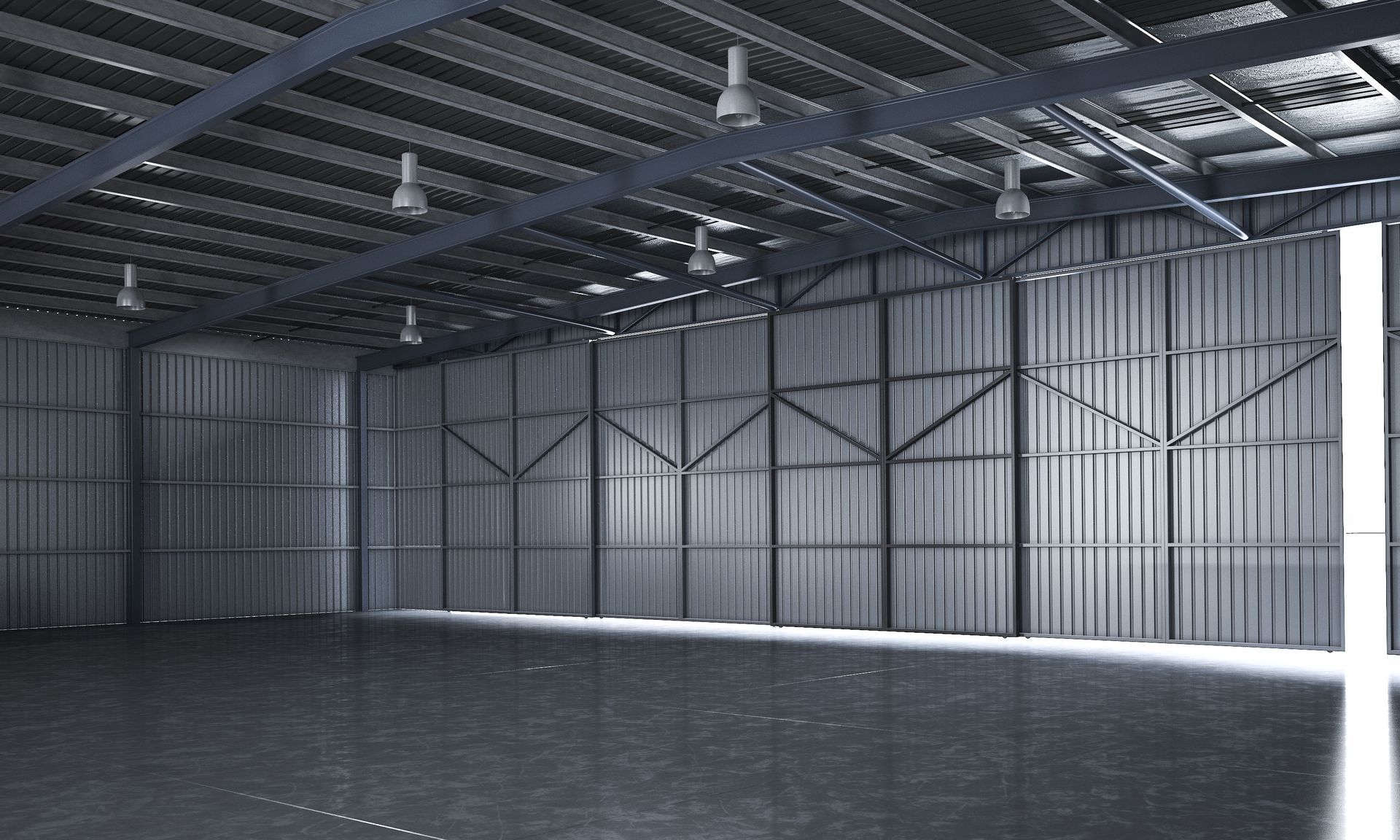
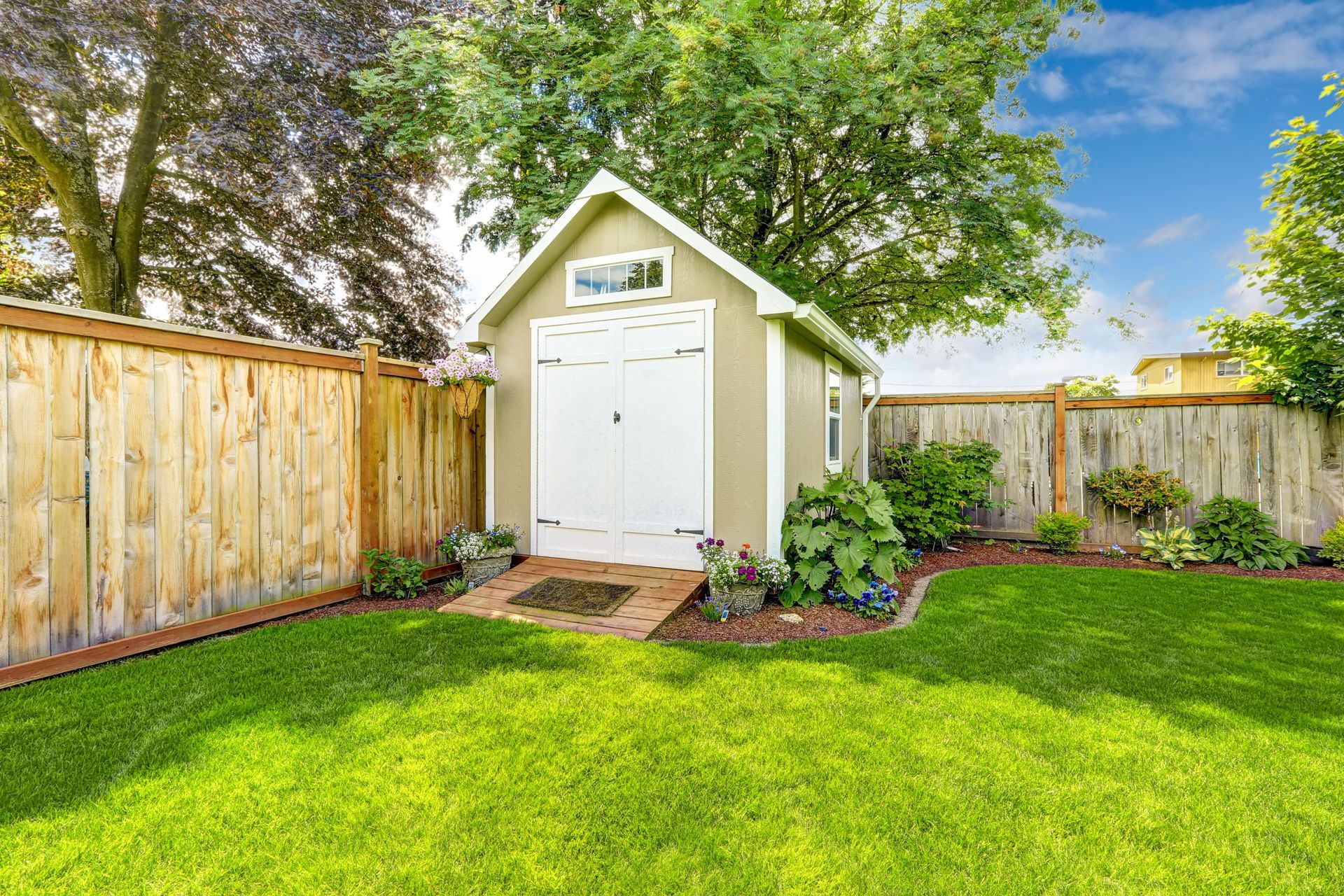
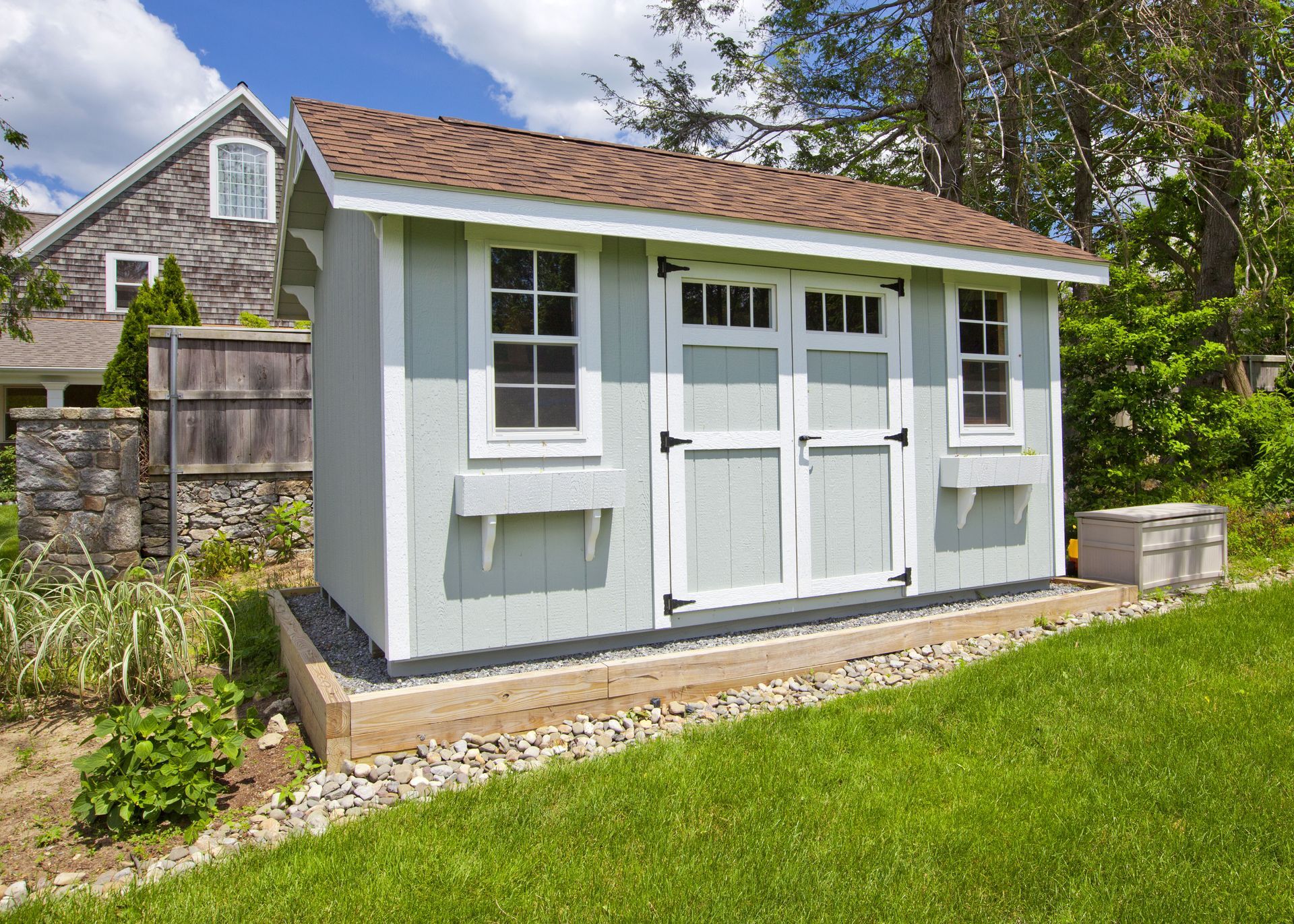
Storage is one of the most common reasons for adding a separate building to a property. A building can provide space for equipment, tools, seasonal items, supplies, machinery, and other belongings that may take up too much room elsewhere. The type of items being stored can affect the amount of space needed. Larger equipment may require wide entrances and open floor space, while smaller materials may benefit from shelving or organized storage areas. Planning the interior around the items being stored can make the space easier to use. A separate storage area can also help reduce clutter in other buildings. Instead of keeping equipment and materials in multiple locations, property owners may be able to organize them within one designated space. Seeking professional help with the building layout can make it easier to account for storage needs before construction begins.
Supporting Business Operations
Businesses often need flexible space as their operations change. A separate building can provide room for inventory, work areas, equipment, meetings, or other business functions. The building can be planned according to the type of activity taking place inside it. Some businesses may need a large open area, while others may benefit from several smaller sections. The planned use of the property can help determine factors such as floor space, access points, lighting, ventilation, and other building considerations. A building used for business purposes may also need to accommodate regular deliveries or vehicle movement. Thinking about these activities early can help create a layout that fits the way the property is used.
Protecting Vehicles
A separate building can provide covered space for vehicles that need protection from outdoor conditions. Cars, trucks, work vehicles, recreational vehicles, and other equipment may benefit from having a designated storage area. Keeping vehicles inside can reduce their exposure to rain, sunlight, wind, and other outdoor conditions. The available space can also make it easier to organize multiple vehicles or provide room around them for access. The size of the vehicles should be considered when planning the building. Entry points, interior clearance, and available floor space can all affect how easily vehicles can be moved in and out. Property owners seeking professional help can discuss these requirements before selecting a layout.
Organizing Agricultural Needs
Agricultural properties often require buildings for storing equipment, materials, tools, feed, supplies, or other items related to daily operations. A separate structure can provide valuable space when existing buildings do not offer enough room. The intended use can influence the building's size and configuration. Equipment storage may require a large open area, while smaller supplies may need more organized sections. Access should also be considered if tractors, machinery, or other large equipment will regularly enter and leave the building. Keeping agricultural items in a dedicated space can make property organization easier. It can also help separate equipment and materials based on how frequently they are used.
Expanding Available Space
A custom building can add useful space when an existing structure no longer meets a property's needs. Instead of trying to fit new activities into an already crowded area, property owners may consider creating a separate structure designed around the additional space they need. Expansion needs can vary widely. A business may need more room for inventory, while a property may require additional storage or equipment space. The intended purpose should guide decisions about the building's size, layout, entrances, and interior configuration. Planning for future needs can also be helpful. If a property is expected to change over time, the building may be designed with flexibility in mind. Seeking professional help can provide information about available options and site considerations before the project moves forward.
Supporting Long-Term Use
Durability is an important consideration when planning a building that is expected to serve a property for many years. Materials, construction methods, maintenance, weather conditions, and how the building is used can all affect its service life. According to The Certified Commercial Property Inspection Association, metal buildings can last up to 20 to 40 years. This range provides useful context when considering the potential long-term role of a building. Regular care and attention to the structure can also play a role in maintaining its condition over time. Long-term planning can involve more than simply choosing a building type. Property owners can also consider how the space may be used several years from now. A flexible layout may make it easier to adapt the building if storage, work, business, or equipment needs change.
Improving Property Organization
Adding a separate structure can help create a clearer organization for a property. Different areas can be assigned to specific purposes, such as storage, equipment, vehicles, or business activities. This can make it easier to determine where items belong and how different parts of the property should be used. Good organization can also reduce the need to move equipment or materials between unrelated areas. A building with an appropriate layout can provide designated spaces for items that are frequently used, stored seasonally, or kept for longer periods. The location of the building should also be considered. Access to driveways, work areas, parking areas, and other parts of the property can affect how convenient the space will be to use.
Property needs can change over time, so it helps to consider more than the building's immediate purpose. A structure used for storage today may later support equipment, business operations, or vehicle storage. Planning can help determine the right size, layout, access points, and storage capacity. Seeking professional help can also provide guidance on site conditions, access, drainage, and local requirements. A metal building can serve many purposes, depending on the property's space, needs, and intended use. Considering how the space will function now and in the future can make planning easier. When planning a metal building, contact All About Buildings and Trailers to discuss your space needs and available options.